Music for the Soul: What Was the Neo-Soul Era?
In the mid-1990s, the R&B scene was dominated by shiny, digital production, loud drum machines, and party themes. But behind the scenes, a quieter, deeper, and more 'organic' revolution was brewing. This movement became known as Neo-Soul.
Coined by Kedar Massenburg of Motown Records, the term "neo-soul" (new soul) described a unique blend of contemporary R&B with the classic sounds of 1970s soul, like Marvin Gaye and Stevie Wonder. This movement was a reaction against computerized R&B; it was about bringing back live instruments, honest lyrics, and a heavy groove (or "vibe").
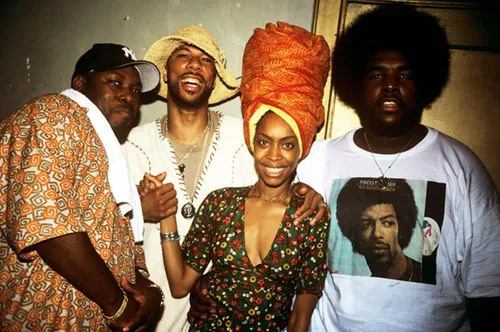
The Signature: An 'Organic' and Honest Sound
Neo-soul was more than a genre; it was a philosophy. It rejected digital perfection and chose analog warmth instead. Its key characteristics include:
- Live Instrumentation: A strong focus on real musicians. Groovy drum patterns, melodic basslines, and most importantly, the iconic Fender Rhodes or Wurlitzer electric piano.
- Conscious Lyrics: The lyrics were often deep, poetic, and spiritual. Themes ranged from complex romance and self-empowerment to social commentary.
- Jazz & Hip-Hop Influence: Complicated harmonies and chord progressions were often borrowed from jazz, while heavy drum rhythms and collaborations with rappers (like Common or The Roots) planted it firmly in the hip-hop era.
- Natural Aesthetics: Visually, the movement embraced a more down-to-earth and Afrocentric style, like Erykah Badu's signature headwraps, natural hair, and earthy tones.
The Soul Architects: Key Icons of the Era
A few artists became the main pillars who built and popularized this sound for the world. They are often called the "Neo-Soul Trinity" (plus a few other key names).
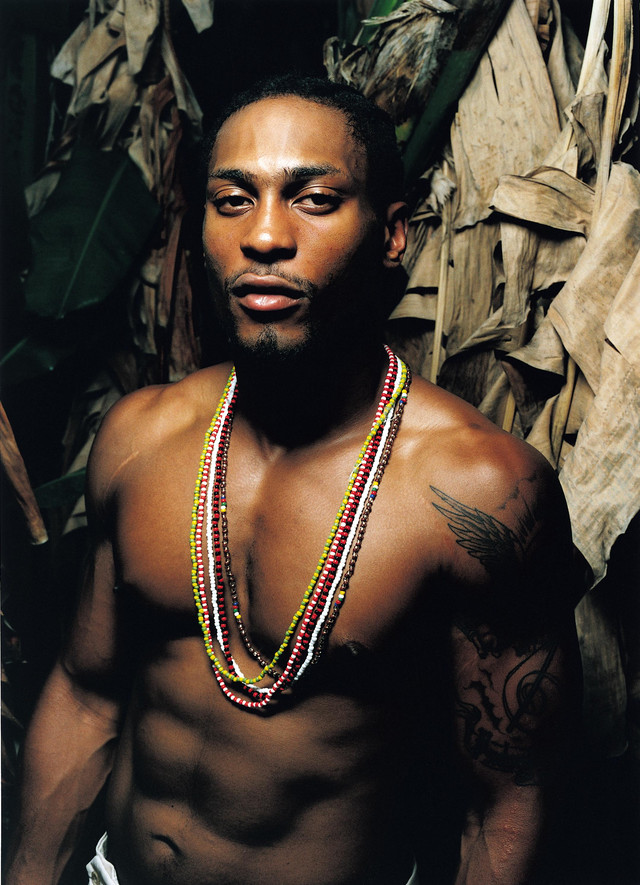
D'Angelo
The PioneerErykah Badu
The Queen
Maxwell
The Romantic
Lauryn Hill
The Hip-Hop Bridge
Jill Scott
The PoetEssential Discography: The Albums That Defined the Movement
To truly understand neo-soul, these albums are the essential starting point. They weren't just hits; they were blueprints.

D'Angelo - Brown Sugar (1995)
Key Tracks: "Brown Sugar", "Lady"
Considered the album that started it all. It left behind the stiff R&B production of its time and replaced it with a laid-back groove, layered vocals, and a warm, analog feel.

Erykah Badu - Baduizm (1997)
Key Tracks: "On & On", "Next Lifetime"
If *Brown Sugar* was the foundation, *Baduizm* was the cathedral. This album was a cultural statement, mixing the jazz vocals of Billie Holiday with heavy hip-hop beats and deep, spiritual lyrics.
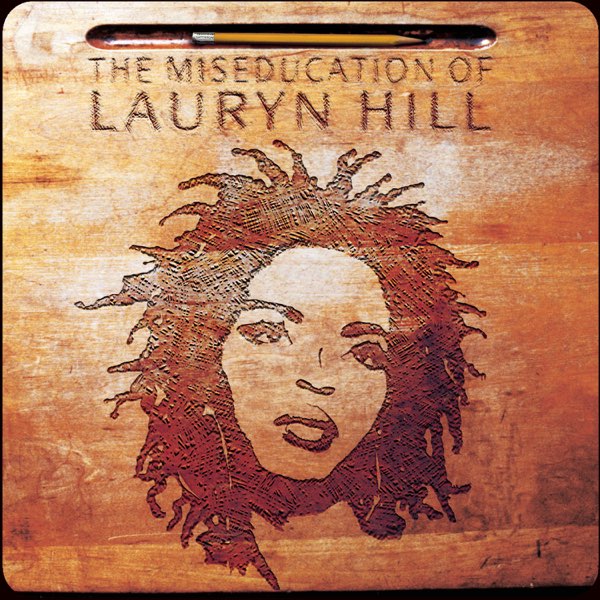
Lauryn Hill - The Miseducation of Lauryn Hill (1998)
Key Tracks: "Doo Wop (That Thing)", "Ex-Factor"
A masterpiece that went beyond genre. This album perfectly balanced sharp rapping with soulful, heartfelt singing. It brought neo-soul to its highest point of commercial and critical success.

D'Angelo - Voodoo (2000)
Key Tracks: "Untitled (How Does It Feel)", "Devil's Pie"
The artistic peak of the movement. Made with the *Soulquarians* collective (including ?uestlove and J Dilla), this album is a dark, funky, and incredibly complex jam session that is still studied today.
The Legacy of Neo-Soul: Its Impact on Modern Music
The neo-soul movement may have faded from the mainstream by the mid-2000s, but its DNA is everywhere. It successfully proved that R&B could be commercially successful without giving up on musicality or lyrical depth.
Artists like AlicIA Keys, John Legend, and India.Arie carried the torch into the next wave. Today, you can hear its direct influence on modern artists like H.E.R., SZA, Daniel Caesar, Solange, and even in the UK jazz scene (like Tom Misch). Neo-soul never really left; it just became a fundamental part of the music itself.
Feel the Vibe: Iconic Music Videos
Experience the era's unique mood and style firsthand through its most memorable music videos. Notice the unique aesthetics and the unmatched energy.
RIP D'angelo
ReplyDeleteVery good blogg 👍
ReplyDeleteInformative🔥
ReplyDelete