When a Cold War Turned Hot: A Hip-Hop Beef for the Ages
For over a decade, they were two kings ruling separate kingdoms. Drake, the undisputed king of charts, streaming, and global pop stardom. Kendrick Lamar, the lyrical king, the critical darling, and the Pulitzer Prize-winning voice of a generation. They collaborated, they competed, but mostly, they co-existed in a tense "cold war." In 2024, that cold war finally exploded into an all-out lyrical battle that shook the foundations of hip-hop.

The Background: From Collaborators to a Cold War (2011-2023)
It wasn't always this way. In the early 2010s, Drake was instrumental in giving Kendrick one of his first major looks, featuring him on the song "Buried Alive Interlude" from his album Take Care. They later collaborated again on Kendrick's hit "Poetic Justice." There was a clear mutual respect.
The first crack appeared in 2013 with Big Sean's song "Control," featuring a verse from Kendrick Lamar that is now legendary. In it, Kendrick called out nearly every major rapper by name, including Drake, and declared his intent to lyrically dominate them.
"I got love for you all but I'm tryna murder you n****s.
Tryna make sure your core fans never heard of you n****s."
This verse wasn't a personal attack, but a declaration of lyrical war. It shifted their relationship from friendly collaborators to direct competitors. For the next ten years, the beef was fought in the shadows with "subliminal disses"—subtle insults hidden in their lyrics. Fans would spend hours decoding lyrics, but nothing was ever direct.
The Lyrical Battlefield: A Track-by-Track Breakdown
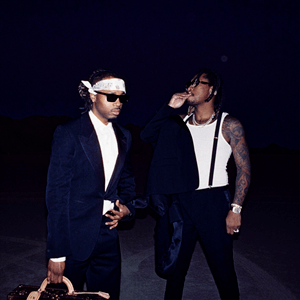
The Spark: Future, Metro Boomin & Kendrick Lamar - "Like That"
The conflict exploded into the open because of another artist: J. Cole. On his song with Drake, "First Person Shooter," Cole celebrated the idea of a "Big Three" in modern rap: himself, Drake, and Kendrick Lamar. Kendrick did not agree. On "Like That," he fired the first direct shot.
Key Lyrics & Analysis:
"Motherf*** the big three, n***a, it's just big me."
Analysis: This is the line that started it all. Kendrick completely rejects the idea that he is on the same level as Drake and J. Cole. He declares himself the one and only king, instantly dissolving any idea of a friendly rivalry.
Drake's First Response: "Push Ups" & "Taylor Made Freestyle"
Drake’s first response was "Push Ups," a direct assault on Kendrick's career, physicality, and business deals. It was a classic Drake diss: confident, full of insults, and aimed at multiple people including Metro Boomin, Rick Ross, and The Weeknd.

Key Lyrics from "Push Ups" & Analysis:
"How the f*** you big steppin' with a size seven men's on?"
Analysis: A direct insult about Kendrick's height and shoe size, meant to diminish his "big stepper" persona from his last album. It's a classic schoolyard taunt designed to humiliate.
"You ain't in no big three, SZA got you wiped down, Travis got you wiped down, Savage got you wiped down."
Analysis: Drake argues that Kendrick isn't even the biggest artist on his own songs, claiming that feature artists like SZA and Travis Scott have overshadowed him.
Drake quickly followed up with "Taylor Made Freestyle," a controversial track where he used AI-generated voices of Tupac Shakur and Snoop Dogg to taunt Kendrick into responding.
Kendrick's Double Strike: "Euphoria" & "6:16 in LA"
After a period of silence, Kendrick returned with "Euphoria," a nearly seven-minute lyrical marathon filled with pure hatred. The song is split into two parts, starting calmly before exploding into a rage-fueled attack on every aspect of Drake's identity.

Key Lyrics from "Euphoria" & Analysis:
"I hate the way that you walk, the way that you talk, I hate the way that you dress... I'm learnin' to hate you with a passion."
Analysis: Kendrick makes it clear this is not just a competition; it's personal. He expresses a deep, visceral hatred for Drake as a person, setting a dark and serious tone for the rest of the beef.
"You not a colleague, you a f***in' colonizer."
Analysis: A powerful accusation. Kendrick, a Black artist from Compton, accuses Drake (who is biracial and from Canada) of being an outsider who exploits Black American culture for his own gain, rather than being a genuine part of it.
A few days later, Kendrick dropped "6:16 in LA," a much calmer but more sinister track, suggesting he had inside information and spies in Drake's camp.
:max_bytes(150000):strip_icc():focal(680x184:682x186)/Drake-071425-33f1d7e008d5416787f72ae8c82923a0.jpg)
The Nuclear Weekend: The Climax of the Battle
In one explosive weekend in May, the beef reached its climax, with three of the most personal diss tracks in history dropping in just over 24 hours.
Drake's Counter-Punch: "Family Matters"
Drake responded with a long track and music video that felt like a "kitchen sink" attack—throwing every possible accusation at Kendrick. The most serious of these were claims of domestic abuse.

Key Lyric & Analysis:
"They hired a crisis management team to clean up the fact that you beat on your queen."
Analysis: Drake makes a shocking and serious allegation that Kendrick Lamar has physically abusive to his fiancée, Whitney Alford. This took the beef to a new, darker level, moving from lyrical skill to real-world character assassination.
Kendrick's Checkmate, Part 1: "Meet the Grahams"
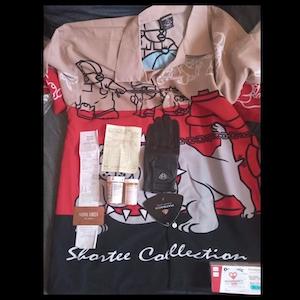
Released less than an hour after "Family Matters," this was Kendrick's most shocking response. It's a dark, psychological track formatted as a letter to Drake's family members, revealing what Kendrick claims is a secret daughter and accusing Drake of heinous behavior.
Key Lyric & Analysis:
"Dear Adonis... I'm sorry that that man is your father... Dear baby girl... I'm sorry that your father not active inside your world."
Analysis: The bombshell. Kendrick alleges that Drake has a secret daughter that he has hidden from the world. By addressing the children directly, he frames Drake as a neglectful and deceitful father, a direct parallel to how Pusha T exposed Drake's son, Adonis, years earlier.
Kendrick's Victory Lap: "Not Like Us"
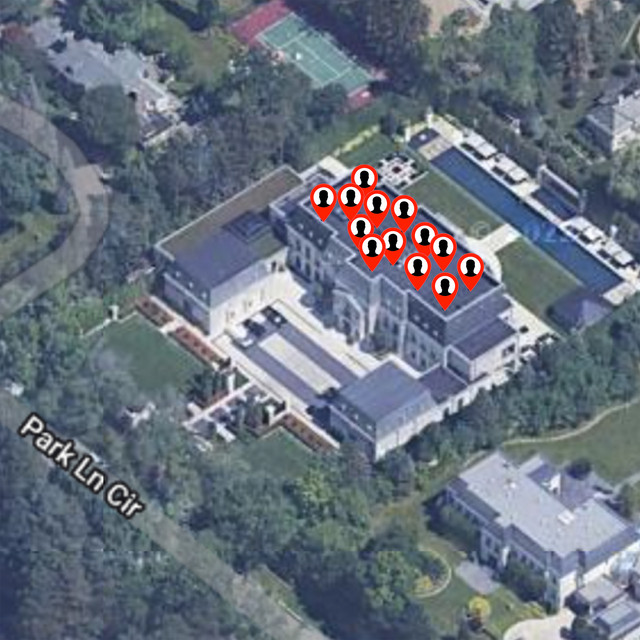
Dropped just one day after "Meet the Grahams," this track was the knockout punch. Instead of being dark and slow, "Not Like Us" is an energetic, upbeat West Coast anthem produced by DJ Mustard. It's a victory lap that is both a celebration and a final, brutal character assassination.
Key Lyrics & Analysis:
"Say, Drake, I hear you like 'em young / You better not ever go to cell block one."
Analysis: Kendrick directly and repeatedly labels Drake a predator, turning earlier hints into a clear, chant-like accusation. It's a simple, memorable, and incredibly damaging line.
"They not like us... They not like us... They not like us."
Analysis: This became the rallying cry of the beef. Kendrick creates a clear divide: "Us" (authentic West Coast artists and culture) versus "Them" (Drake and his crew, portrayed as cultural tourists and predators). The song is designed to be chanted at parties and concerts, turning a diss track into a cultural anthem against Drake.
The Supporting Cast: Who Else Was Involved?
This wasn't just a two-man battle. Many other major artists were pulled into the orbit of the conflict:
- Team Kendrick: Future, Metro Boomin, Rick Ross, and The Weeknd all seemed to side against Drake, either through collaboration or public statements.
- Team Drake: Drake stood mostly alone, though he had support from his OVO camp.
- J. Cole: After being called out on "Like That," J. Cole released a response track ("7 Minute Drill") but quickly apologized and removed it, bowing out of the battle entirely.
The Aftermath: Who Won?
While Drake is a commercial titan who will always have hit records, the overwhelming public consensus was a decisive victory for Kendrick Lamar. In the world of lyrical battles, public opinion is everything. The combination of Kendrick's lyrical depth on "Euphoria," the shocking revelations of "Meet the Grahams," and the undeniable cultural power of "Not Like Us" led to a near-unanimous victory.
This beef did more than just entertain; it brought back a level of lyrical competition and raw honesty that many felt was missing from mainstream hip-hop. However, it also crossed deeply personal lines, raising questions about how far is too far. In the end, the clash of these two titans created a moment in music history that will be studied and debated for years to come.

W Kdot
ReplyDeleteInteresting
ReplyDelete