Get Up and Groove: Discovering the Energetic Vibe of New Jack Swing
After the disco era and the rise of innovative funk, the late 80s and early 90s introduced another revolutionary genre: New Jack Swing. This genre was the perfect blend of gritty hip-hop rhythms, smooth R&B melodies, and catchy pop hooks. New Jack Swing not only topped the music charts but also shaped the fashion, dance, and urban culture of its time.

A New Jack Swing dance party, capturing the energy of the genre.
A Brief History & The Birth of the Genre
New Jack Swing appeared in the mid-to-late 1980s as a fresh alternative to the slower R&B music of the time. Young producers and musicians wanted to bring in new energy by mixing hard-hitting hip-hop drum machines and edgy samples with smooth R&B vocals and polished arrangements. This era marked a shift from disco and funk to a more modern, urban sound, setting the stage for contemporary R&B for decades to come.
So why is it called "New Jack Swing"? The term was coined by writer and filmmaker Barry Michael Cooper in a 1987 article for The Village Voice. "New jack" was slang for a newcomer or someone new on the scene, representing the fresh, young energy of the artists. "Swing" referred to the music's rhythmic, danceable groove, rooted in the traditions of jazz and swing music but updated for a new generation. The name perfectly captured the essence of this new cultural movement.
Teddy Riley: The Pioneer and Architect of the Sound

If one person should be named the mastermind behind New Jack Swing, it is Teddy Riley. As a producer and musician, Riley was responsible for many of the genre's biggest hits. He was known for his ability to blend aggressive hip-hop beats (often using the SP-1200 or MPC drum machines), funky basslines, bright synthesizers, and harmonious R&B vocals. His work with Guy, Bobby Brown, and Keith Sweat defined the early sound of New Jack Swing and paved the way for many other artists.
Key Features of New Jack Swing Music
New Jack Swing has several characteristics that make it easy to recognize:
- Heavy Drum Machine Beats: The strong use of drum machines with powerful hip-hop patterns and a sharp snare drum. The snare often had a special "gated reverb" effect.
- Synthesizers & Samples: Melodies and riffs were often played with bright, modern synthesizers, sometimes mixed with sound samples from funk or other hip-hop songs.
- R&B Vocals & Harmonies: Smooth lead vocals accompanied by rich background harmonies, which is a classic R&B style. Sometimes, parts of the song would feature rap or spoken words.
- Funky & Groovy Basslines: The basslines were lively and syncopated, creating a strong groove that made you want to dance.
- Hip-Hop Influence: Song structures sometimes included hip-hop style breakdowns or even full rap verses between the R&B singing.
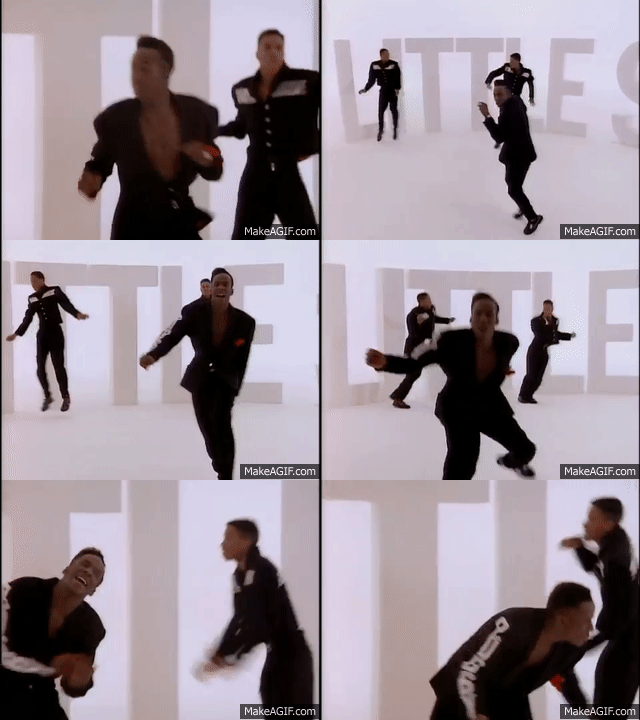
"Every Little Step" by Bobby Brown were a huge part of New Jack Swing culture.
Iconic Artists of New Jack Swing
Besides Teddy Riley, many other artists helped shape and popularize New Jack Swing:
-
:max_bytes(150000):strip_icc()/bobby-brown-the-gumby-hairstyle-052025-1-382de042a0c7494a914ec159c5003834.jpg) Bobby Brown: After leaving New Edition, Bobby Brown launched an amazing solo career with hits like "My Prerogative" and "Every Little Step." He became one of the most famous faces of New Jack Swing.
Bobby Brown: After leaving New Edition, Bobby Brown launched an amazing solo career with hits like "My Prerogative" and "Every Little Step." He became one of the most famous faces of New Jack Swing. -
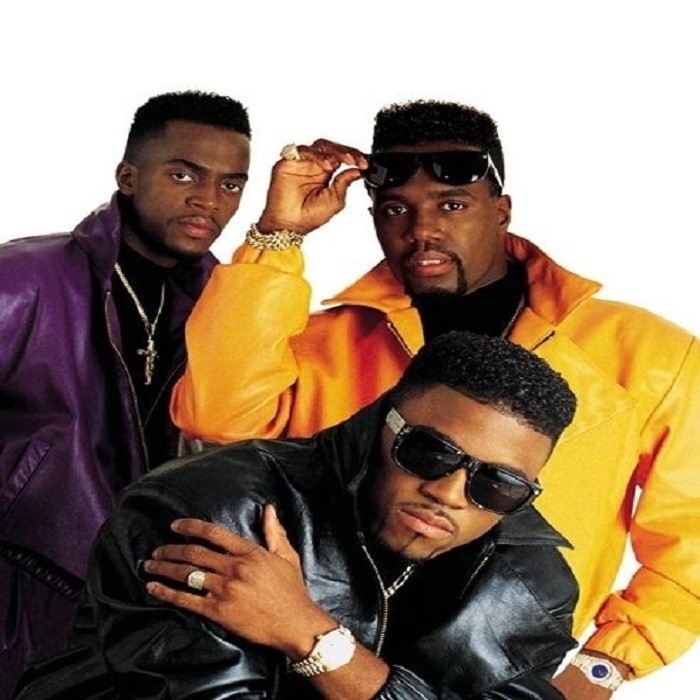 Guy: Formed by Teddy Riley, Guy was a highly influential group. Their first album became the blueprint for many other New Jack Swing songs. Hits like "Groove Me" and "I Like" are essential to the genre.
 -
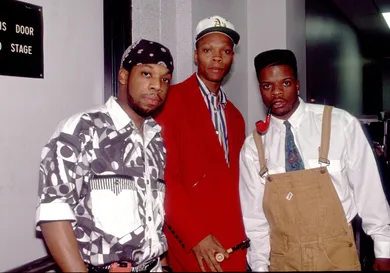 Bell Biv DeVoe (BBD): Other members of New Edition—Ricky Bell, Michael Bivins, and Ronnie DeVoe—formed BBD. Their song "Poison" is one of the biggest New Jack Swing anthems, mixing hard rap with smooth vocal harmonies.
 -
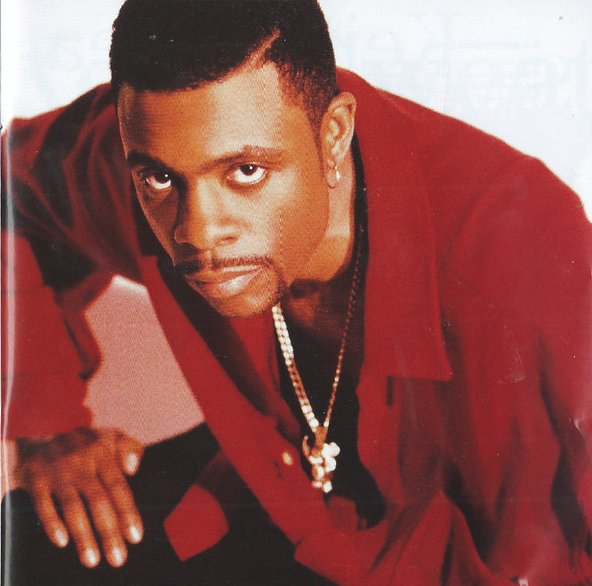 Keith Sweat: With his unique and pleading vocal style, Keith Sweat brought a romantic and sexy touch to New Jack Swing. His album Make It Last Forever is a classic of the genre.
 -
 New Edition: While not purely a New Jack Swing group, many of its members became part of the genre. Their album Heart Break, produced by Jimmy Jam & Terry Lewis with touches from Teddy Riley, is often called an important transitional album.
 -
 Janet Jackson: Although she is more associated with the Minneapolis Sound, albums like Rhythm Nation 1814 show a strong New Jack Swing influence in their beat production and arrangements.
New Jack Swing's Impact on Pop Culture
More than just music, New Jack Swing had a huge influence on pop culture as a whole:
- Fashion: Bomber jackets, baggy pants, high-top sneakers, and bright colors became iconic looks of the era.
- Dance Moves: Energetic dances like "The Running Man" and the "Roger Rabbit" became extremely popular in music videos and at parties.
- Music Videos: New Jack Swing videos often featured complex dance routines, stylish outfits, and cool stories, setting a new standard for music visuals.
- Film & TV: The genre was the soundtrack for many popular movies and TV shows of the late 80s and early 90s, like *House Party* and *New Jack City*.
Watch & Feel New Jack Swing!
To truly understand the essence of New Jack Swing, there's nothing better than listening to one of its biggest hits. Check out "Poison" by Bell Biv DeVoe, which is a perfect example of the genre's energetic mix of R&B and hip-hop.
The music video for "Poison" by Bell Biv DeVoe, a true New Jack Swing anthem.
A Timeless Legacy
Even though its peak was relatively short, the legacy of New Jack Swing is enormous. The genre paved the way for the modern R&B we know today by making hip-hop elements a key part of pop and R&B music. Artists like Usher, Chris Brown, and even today's producers often name New Jack Swing as a major influence. It proves that the energy and innovation of that era still resonate today.
Bobby brown 🔥🔥🔥
ReplyDeleteEvery little step is my favorite song, by the way, I'm a 50-year-old mom.
ReplyDeleteCool blog, like this
ReplyDelete